While May’s report on its own looks somewhat positive, a broader look at home price levels over the past year still do not indicate that the housing market is in any form of sustained recovery. Since reaching its recent trough in April 2009, the housing market has really only stabilized at this lower level. The two Composites have improved between 5 and 6% since then, but this is no better than the improvement they had registered as of October 2009. The last seven months have basically been flat. The May 2010 data for 15 of the 20 MSAs and the two Composites show an improvement in annual returns compared to April’s report. With the month-over-month data, while 19 of the 20 MSAs and the two Composites were positive, we are in a strong seasonal period for home prices, so that was largely expected. In addition, there may still be some residual impact from the homebuyers’ tax credit, since they affect any purchase that closes through June 30th 2010. We need to watch where the housing markets will go after these temporary stimuli go away. June’s existing and new home sales and housing starts data do not show much real improvement in those statistics either. It still looks possible that the housing market might bounce along the bottom for the foreseeable future, before showing any real improvement that will filter through to the rest of the economy.
—David Blitzer, Chairman of the Index Committee at Standard & Poor’s: via S&P. New York was down slightly year over year but grew over April’s current market bottom for the market. The composite ten held it’s gains and exceed last year’s market-bottom. New home sales in June, however, were the second lowest on record and could indicate a particularly weak reading going forward. Meanwhile, 18.9m homes remained empty during Q2, according to the Census Bureau, up from 18.6m in the year-prior. The Bureau also reported a 66.9% home-ownership-rate, the lowest since 1999.
We just are going to muddle through for a while. I’m not looking for big movement from here either up or down.
—Michael Feroli, chief U.S. economist at JPMorgan: via Bloomberg
As homeownership continues to decline, people need to live somewhere…The rental market will be robust for the next few years
—Henry Cisneros, President Clinton’s housing secretary from 1993 to 1997 and current executive chairman of CityView, a REIT in LA: via Bloomberg
Landlords are cautiously testing the strength of the submarket their property is in to see if the market will withstand small rent increases. In most markets, they’ve been successful.
—Walt Smith, CEO Riverstone Residential Group: via Bloomberg
I just don’t know at this point…I’m worried….I’m a double-dipper…I am worried that we will dip down again…For me a double-dip is another recession before we’ve healed from this recession … The probability of that kind of double-dip is more than 50 percent…I actually expect it.
—Robert Shiller: via Reuters Insider
The minute someone puts out a green light, and earnings constituted a green light, you’ll see people rushing back into risk markets. The indicators that we look at suggest that the economy continues to lose momentum. The key is going to be ultimately is the economy creating enough jobs to make people comfortable, to allow companies to invest?
—Mohamed El-Erian: via Bloomberg
Concerns about business conditions and the labor market are casting a dark cloud over consumers that is not likely to lift until the job market improves
—Lynn Franco, Director of The Conference Board Consumer Research Center: via Reuters/NYT. Consumer confidence declined to 50.4, off of 54.3 in June, it’s lowest point since February.
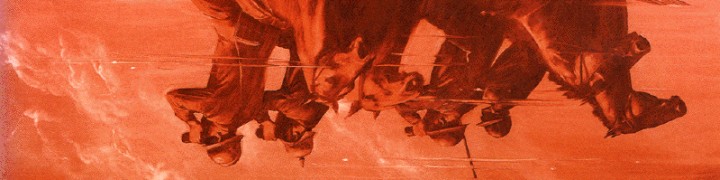
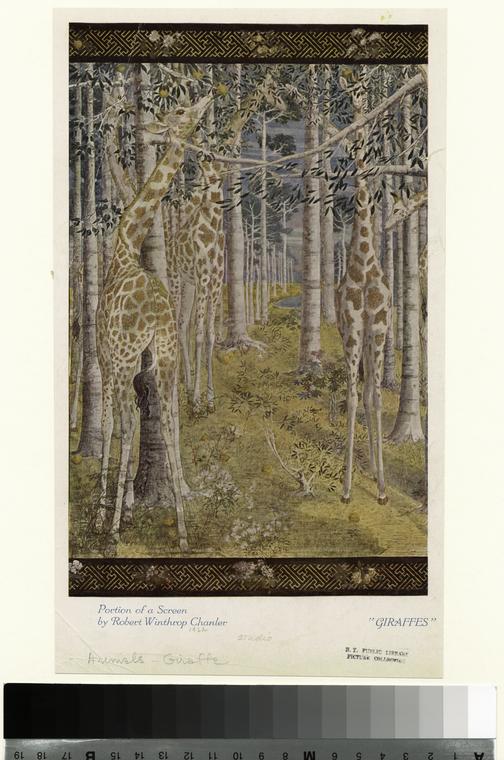
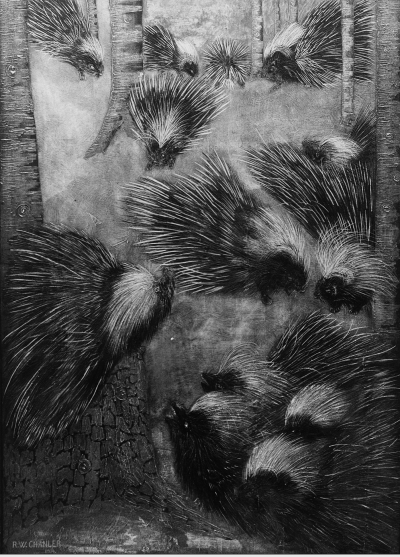
 and styles: among them, the screen. Chanler seizes and exploits the medium. Said to be an homage to a ferocious ex-wife, Chanler’s Leopard and the Deer rolls on casters in a black, ebonized frame around and across the reception room to Rokeby House, as though stalking its inhabitants. The principal leopard rises and curls over and down upon the frozen struggle of a white stag. It’s knees bent, with one fore-leg struggling to stand, the stag looks skyward and accepts the leopard’s toothsome embrace over neck, chest and back. Meanwhile, the leap of leopards rollick up a hill in pursuit of still more prey among the narrow cover of a sparsely placed forest. It’s a scene that rises and falls with the search and capture of desperate and vulnerable prey. It’s a scene that feels like might animate the screen itself and send it around the room in pursuit of the odd and unfortunate visitor.


 Stilltitled
